‌ ‌ ‌ ‌ ‌ ‌ ‌ ‌ ‌ ‌ ‌ ‌ ‌ ‌ ‌ ‌ ‌ ‌ ‌ ‌ ‌ ‌ ‌ ‌ ‌ ‌ ‌ ‌ ‌ ‌ ‌ ‌ ‌ ‌ ‌ ‌ ‌ ‌ ‌ ‌ ‌ ‌ ‌ ‌ ‌ 
Is this email not displaying correctly? View it in your browser.
Logo
Image description

Chapala Birders News - April 2026

Community News & Sightings

Sightings Last Month by Duncan Poole

There were 188 species reported this month for the lake area. The complete list is shown at the end of this newsletter.  Interesting species sighted:

  • Garganey, a stray from Asia. Photo submitted to eBird for review; Jocotepec Malecón.

  • Hooded Warbler, photo provided; Vista del Lago.

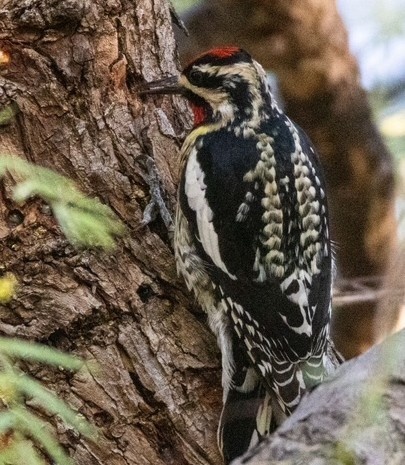
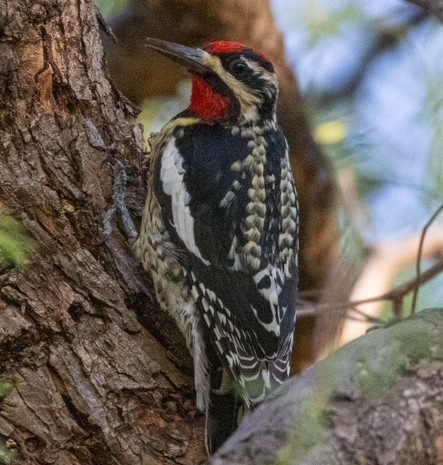
  • Yellow Bellied x Red nape Sapsucker Hybrid; San Antonio Malecon. (see trip summaries below for images).

Correction: from last month's Sightings:  The Eared Quetzal was reported and seen by Kate and Carl Anderson, Gerry Bird and Diego Ochoa


Birding Expertise may help your Brain Health!  Find out what research is indicating with birder's cognitive skills.


February Backyard Bird Count Results are impressive! An estimated 1,146,284 global participants identified 8,257 species.  Read more results .


Thank you for the Donations💸💰

We are extremely grateful for all donations to cover the costs of the Website hosting and the newsletter. Many thanks to Robert Taylor, Carl Canning, Sandy, and Sally for their recent donations. If you wish to donate, please give it to your birding leader who will add it to the donation box.


Wanted! Birding Trip Leaders🐦

We are a small group of volunteers who work together to share these outings with you. If you would like to help us lead some bird outings, we will help train you! We always have knowledgeable birders assisting on every trip. Please contact Cheshta at [email protected] if you are interested.

Feature Bird: Vermilion Flycatcher (Pyrocephalus rubinus) [VEFL] 

by Jules Evens

Image description

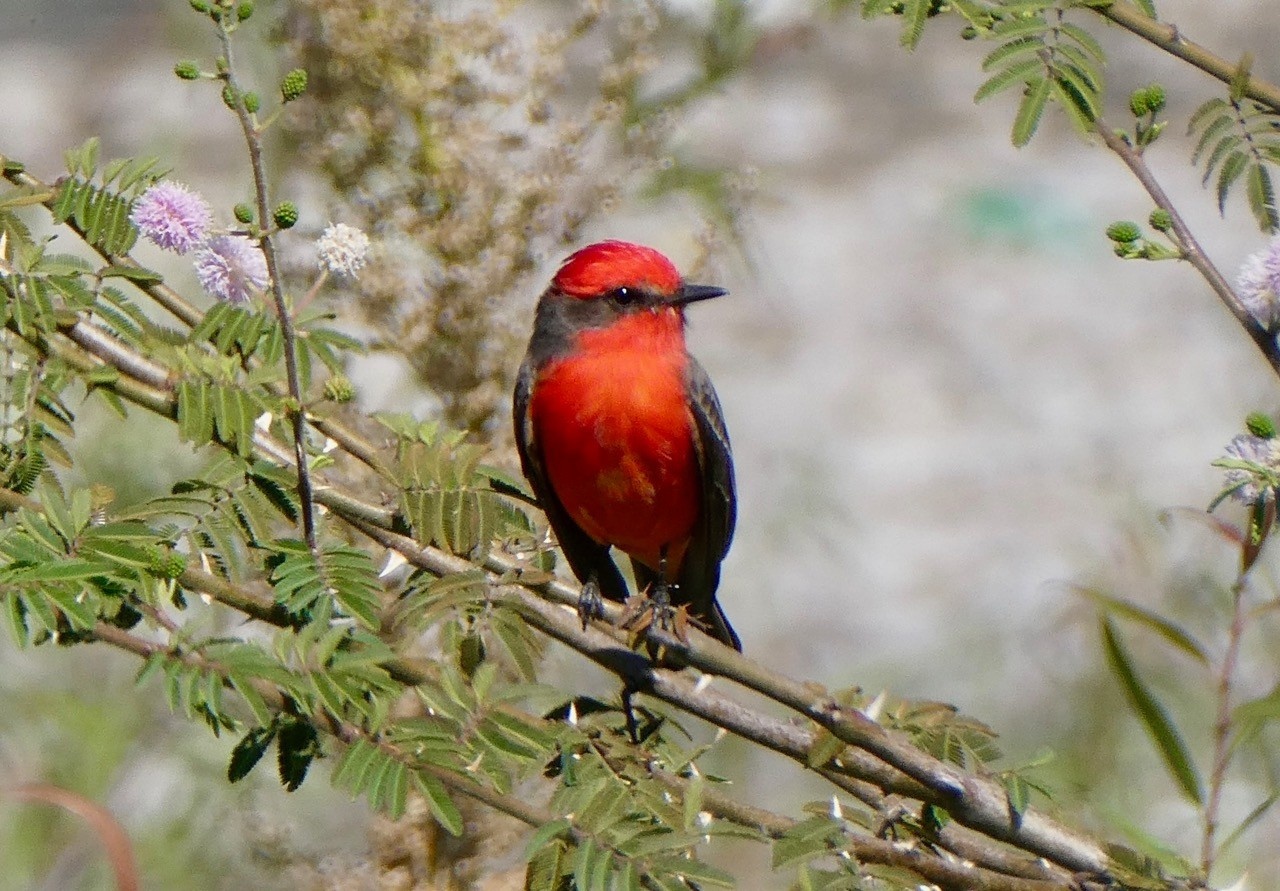
Vermilion Flycatcher:  adult male

A spectacular little flycatcher, both in coloration and in courtship display, the Vermilion Flycatcher is a common and conspicuous resident of the Chapala area. Males and females differ markedly in color (“sexually dichromatic”).


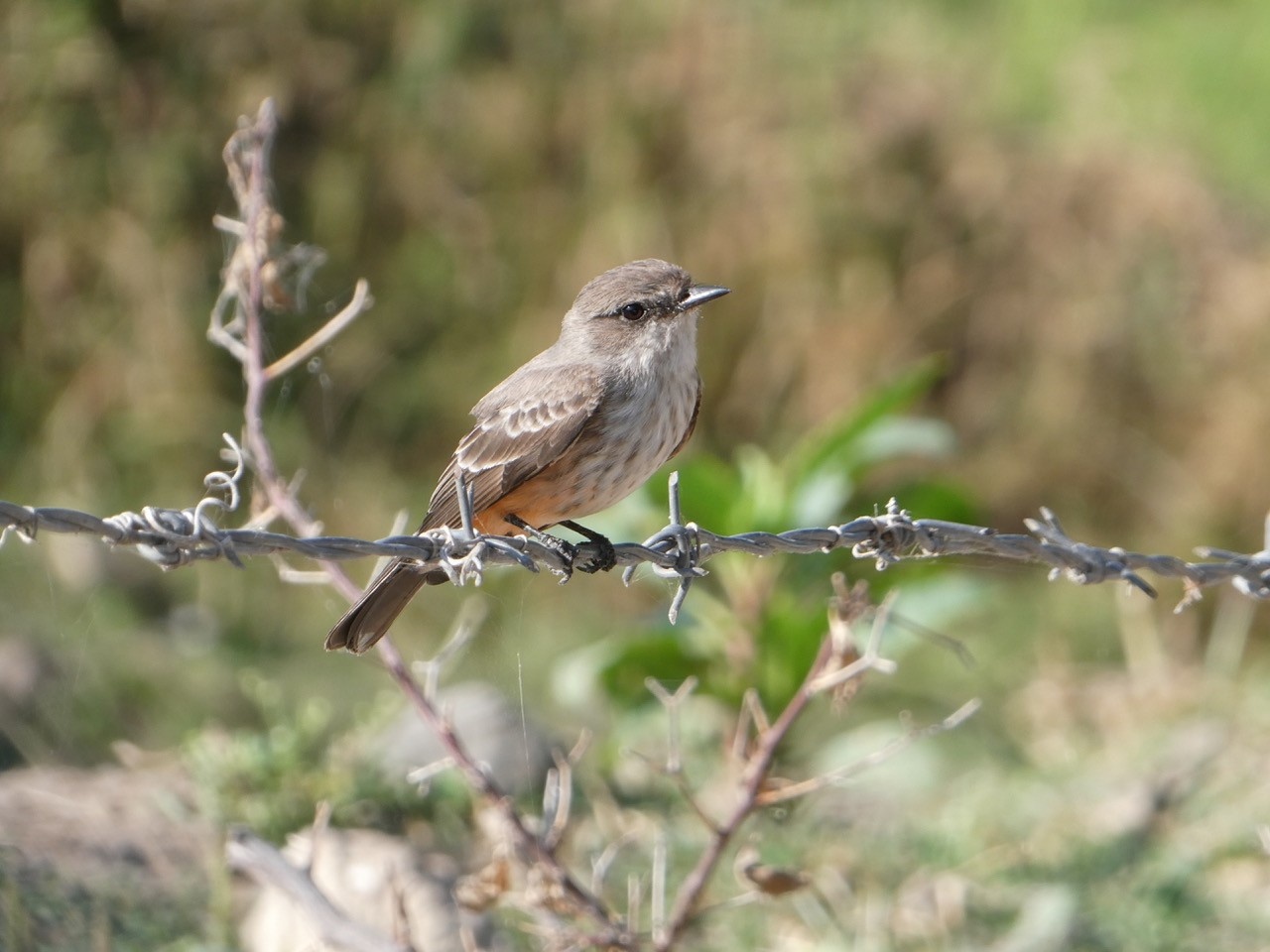
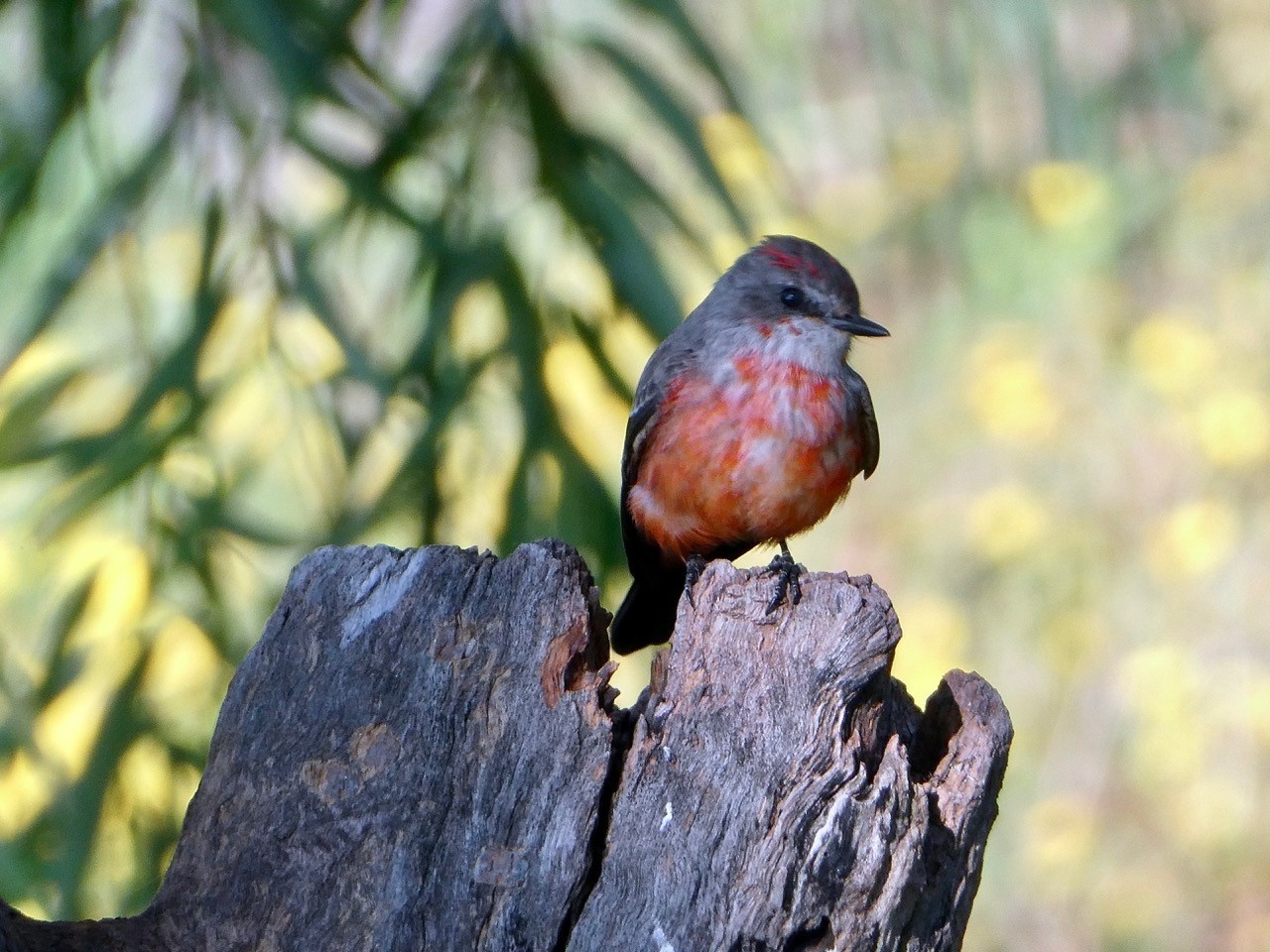
The male is unmistakable with a bright vermilion crest and underparts in sharp contrast with dark wings and back. The female plumage is much subtler with light breast lightly streaked, gray brown upperparts, and a light pinkish or yellowish wash on the undersides behind the belly (“the vent”). She may be confused with the larger Say’s Phoebe. First-year males gain the vermilion gradually, appearing mottled.


Their weight is 11-13 grams, only slightly more than a diez peso coin!


The distribution is impressive, extending from the southwestern United States through Mexico, Central America, and through South America to Peru.


This is a “sit-and-wait” predator, that forages from an exposed perch and sallies out ('aerial-hawking') to capture flying or terrestrial insects—butterflies, grasshoppers, beetles, termites, and spiders, often returning to the same or a nearby perch. 


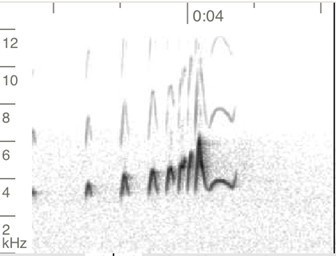
The breeding display of the male, performed in early spring (March/April), is spectacular: On fluttering wings, he bounces across sky, 20-30 meters high, singing a liquid, musical chatter, ascending rapidly then descending sharply.

Image description

Vermilion Flycatcher:  sonogram 

The female attends the nest (which she constructed) incubating 2–4 eggs for about 2 weeks with the male visiting regularly to feed her. Together they raise 1-2 broods per season, often renesting shortly after fledging their first brood.


Vermilion Flycatchers tend to forage over open or semi-open areas, often near water and nest on horizontal branches, mid-canopy, usually at the forest edge or in isolated trees.


“The locals call this bird ‘bien viaje’ — literally ‘good travel’ — but often simply translated as the good luck bird.” — Oaxacan Lore       All photos by Jules Evens.

Image description

Vermilion Flycatcher: adult female

Image description

Vermilion Flycatcher: first year male

Tip #9 for Birding Ethics

When uncertain of a bird's ID, it is probably more accurate to list such sightings as an either/or option or a member of the species. Examples are:

  • Sharp-shinned/Cooper's Hawk

  • Rufous/Allen's Hummingbird

  • Swallow sp. (for Swallow species)

Learn more here about Birding Ethics.

Upcoming Bird Trips

Our bird-walks are open to all those interested in birds; beginners & experienced birders. We always have knowledgeable birders on hand to identify the species. We have a limited number of extra binoculars available upon request in advance of trip.

————

During these outings social conversations are limited so we do not scare the birds we are observing. Birders can gather for coffee or a meal to socialize later.

————

We try to limit most car trips to 3-4 vehicles / 12-16 people. Larger convoys are hard to manage. If you are being given a ride, you are expected make a contribution to your driver for gas and tolls ($100 - $400 pesos based on length of trip).

1st SUNDAY OF EVERY MONTH: On April 5th there will be an informal birding walk along the Allen Lloyd Trail. Meet up at 8am with local and visiting birders in this very accessible location. Expect to see Blue Mockingbird, Happy Wren, and sometimes a Russet-crowned Motmot or Squirrel Cuckoo.

How to get to the trail head: Drive up the Libramiento a half mile (1 km) from the traffic light at Walmart, then turn left (carefully) as you would for the hospital (Ribera Medical Center). Double back and drive up the left side of the hospital. Keep going uphill another half mile, and park on the only street to your left. Here is a pindrop.  (Note: after parking, we'll walk up the road past the construction. The trail is obliterated, but the birding is still good).


On Tuesday, April 7th, meet team leader Duncan Poole at 8.00 am at the “Sculpture” (at the only traffic light in La Floresta, south-east corner near Restaurant Pranzo. See pindrop, departing immediately for Estación Bombeo. Expect to see a good variety of shore birds and other species in the scrub. Please confirm your attendance at least 2 days in advance with Duncan at [email protected]. Trip will be limited to 3 cars, 12 birders. Please indicate if you can take a car or will be a passenger. Each passenger is expected to donate to their driver $100 pesos to share the travel expenses.


On Friday April 17th, meet team leader Robert Taylor at 8.15 am at the entrance to Parque La Cristianía (Cristiania Park) in Chapala. We should see an interesting selection of species in the park and on the shore of the lake. We will likely still catch the nesting cattle egret in the trees throughout the park. At 10.00am we will complete the bird list together. Please confirm your attendance at least 2 days in advance by email to [email protected]   

How to Get There: From Ajijic go to the traffic light at the main street of Chapala (Av. Madero), Cross straight over and keep going straight for five blocks, turn left at the T intersection and park on the right, near the Park entrance.(see pindrop).


On Wednesday April 22nd, meet team leader Cheshta Buckley at 8.00 am at El Bajio on the west side of Ajijic and walk down the lane to the lake. Expect to see a good variety of birds in the tall trees and fields. At about 10.00 am we will review the bird list, then those who wish to can head to the French Bakery for coffee. Please confirm your attendance at least 2 days in advance by email to Cheshta at [email protected].

How to Get There: From Ajijic go about 2 mi. (3 km) west from the light at Colon, turn downhill for El Bajio (across from the west end of the large unfinished retirement community being redeveloped by Latitude/Margaritaville) and park immediately on the lateral road parallel to the carretera. (see pindrop)

Bird Trip Summaries: March by Trip Leaders

On Sunday, March 1st, Duncan Poole headed out with 12 birders on the Allen Lloyd Trail. The highlight was the large tree - possibly some kind of Fig - was full of Figs/Berries which attracted many birds, including Nashville, Yellow-rumped and a few Virginia Warblers, along with Blue Mockingbirds, Rufus-backed Robins, Orioles, and a Russet Crowned Motmot. We spent the first 40 mins at the tree. The usual Kingbirds, Western Warbling Vireo, and 2 Squirrel Cuckoos, along with 4 Raptor species were seen. A total of 63 species recorded by a great group.  see the checklist here


On Monday, March 16th, 25 Lake Chapala Birder met with team leader Jules Evens on the San Antonio malecón at 8:00 AM to bird the lakeshore. The riparian habitat at the south end held our attention for the first hour, where the highlights included a Northern Waterthrush, a cooperative hybrid Yellow-bellied x Red-naped Sapsucker, and a Black-crowned Night-Heron depredating a Sora! Farther east along the malecón were three Green Herons, a pair of Pied-billed Grebes, a Common Gallinule attending two small chicks, and views of the active nesting colony of Great Egrets in full breeding display. The last encounter was a calling Russet-crowned Motmot.  58 species were seen. See the checklist here.

Image description
Image description

Images of Yellow-bellied x Red-naped Sapsucker Hybrid taken by Duncan Poole

On Tuesday, March 24th, 11 birders met with team leader Robert McConnell and had a pretty good day out at Lake Antotonilico near Villa Corona. Due to extremely low water levels it was very difficult to see any sort of shorebirds or waterfowl. But we did see hawks, meadowlarks, sparrows, finches and a Nuttings flycatcher. The highlights of the day were a Merlin and a Zone-tailed Hawk. I don't think any of us get to see those very often. We had a total of 36 species and considering the level of the lake, we figured we did well. See the checklist here.

Monthly Sightings 

by Duncan Poole

What is the “Lake Chapala Area” for bird sightings?

We define it as the whole area of the lake plus all land within 15 km (7 miles) from the edge of the lake. We combine sightings for the month from Chapala, Jocotopec, Ixtlahuacán de los Membrillos, Poncitlán, Ocotlán, Jamay, & La Manzanilla de la Paz.


188 species were observed around Lake Chapala in March! (in Taxonomic order):

1      Fulvous Whistling-Duck

2      Blue-winged Teal

3      Cinnamon Teal

4      Northern Shoveler

5      Gadwall

6      American Widgeon

7      Mexican Duck

8      Northern Pintail

9      Green-winged Teal

10    Ruddy Duck

11    Northern Bobwhite

12    Rock Pigeon

13    Eurasian Collared-Dove

14    Inca Dove

15    Common Ground Dove

16    Ruddy Ground Dove

17    White-tipped Dove

18    White-winged Dove

19    Mourning Dove

20    Groove-billed Ani

21    Lesser Roadrunner

22    Greater Roadrunner

23    Mexican Squirrel-Cuckoo

24    Buff-collared Nightjar

25    Mexican Whip-poor-will

26    Mexican Violetear

27    Rivoli's Hummingbird

28    Plain-capped Starthroat

29    Blue-throated Mountain-gem

30    Ruby-throated Hummingbird

31    Black-chinned Hummingbird

32    Calliope Hummingbird

33    Rufous Hummingbird

34    Broad-tailed Hummingbird

35    Broad-billed Hummingbird

36    White-eared Hummingbird

37    Violet-crowned Hummingbird

38    Berylline Hummingbird

39    Sora

40    Common Gallinule

41    American Coot

42    Black-necked Stilt

43    American Avocet

44    Killdeer

45    Northern Jacana

46    Long-billed Dowitcher

47    Wilson's Snipe

48    Spotted Sandpiper

49    Solitary Sandpiper

50    Greater Yellowlegs

51    Least Sandpiper

52    Laughing Gull

53    Ring-billed Gull

54    Caspian Tern

55    Forster's Tern

56    Royal Tern

57    Least Grebe

58    Pied-billed Grebe

59    Western Grebe

60    Clark’s Grebe

61    Wood Stork

62    Neotropic Cormorant

63    White-faced Ibis

64    Least Bittern

65    Black-crowned Night Heron

66    Tricolored Heron

67    Snowy Egret

68    Green Heron

69    Western Cattle-Egret

70    Great Egret

71    Great Blue Heron

72    American White Pelican

73    Black Vulture

74    Turkey Vulture

75    Osprey

76    White-tailed Kite

77    Sharp-shinned Hawk

78    Cooper's Hawk

79    Northern Harrier

80    Gray Hawk

81    Zone-tailed Hawk

82    Short-tailed Hawk

83    Red-tailed Hawk

84    Western Screech-Owl

85    Great Horned Owl

86    Northern Pygmy-Owl

87    Ferruginous Pygmy-Owl

88    Mottled Owl

89    Spotted Owl

90    Coppery-tailed Trogon

91    Eared Quetzal

92    Russet-crowned Motmot

93    Belted Kingfisher

94    Yellow-bellied Sapsucker

95    Red-naped Sapsucker

96    Acorn Woodpecker

97    Gila Woodpecker

98    Golden-fronted Woodpecker

99    Ladder-backed Woodpecker

100  Hairy Woodpecker

101  Crested Caracara

102  American Kestrel

103  Merlin

104  Monk Parakeet

105  Military Macaw

106  White-striped Woodcreeper

107  Rose-throated Becard

108  Northern Beardless-Tyrannulet

109  Greenish Elaenia

110  Tufted Flycatcher

111  Greater Pewee

112  Least Flycatcher

113  Hammond's Flycatcher

114  Dusky Flycatcher

115  Western Flycatcher

116  Black Phoebe

117  Say’s Phoebe

118  Vermilion Flycatcher

119  Dusky-capped Flycatcher

120  Ash-throated Flycatcher

121  Nutting's Flycatcher

122  Brown-crested Flycatcher

123  Great Kiskadee

124  Social Flycatcher

125  Tropical Kingbird

126  Cassin's Kingbird

127  Thick-billed Kingbird

128  Western Kingbird

129  Golden Vireo

130  Black-capped Vireo

131  Bell’s Vireo

132  Hutton's Vireo

133  Cassin's Vireo

134  Plumbeous Vireo

135  Western Warbling Vireo

136  Loggerhead Shrike

137  Common Raven

138  Tree Swallow

139  Gray-breasted Martin

140  Northern Rough-winged Swallow

141  Barn Swallow

142  Bushtit

143  Ruby-crowned Kinglet

144  Blue-gray Gnatcatcher

145  Canyon Wren

146  Northern House Wren

147  Marsh Wren

148  Bewick's Wren

149  Spotted Wren

150  Happy Wren

151  Sinaloa Wren

152  Blue Mockingbird

153  Curve-billed Thrasher

154  Northern Mockingbird

155  Brown-backed Solitaire

156  Orange-billed Nightingale-Thrush

157  Hermit Thrush

158  American Robin

159  Rufous-backed Robin

160  Cedar Waxwing

161  Gray Silky-flycatcher

162  House Sparrow

163  American Pipit

164  Elegant Euphonia

165  House Finch

166  Lesser Goldfinch

167  Stripe-headed Sparrow

168  Chipping Sparrow

169  Clay-colored Sparrow

170  Brewer's Sparrow

171  Lark Sparrow

172  White-crowned Sparrow

173  Savannah Sparrow

174  Lincoln's Sparrow

175  Rusty-crowned Ground-Sparrow

176  Canyon Towhee

177  Rusty Sparrow

178  Rufous-crowned Sparrow

179  Green-tailed Towhee

180  Rufous-capped Brushfinch

181  Yellow-breasted Chat

182  Yellow-headed Blackbird

183  Black-vented Oriole

184  Orchard Oriole

185  Hooded Oriole

186  Streak-backed Oriole

187  Bullock's Oriole

188  Black-backed Oriole

189  Red-winged Blackbird

190  Bronzed Cowbird

191  Brown-headed Cowbird

192  Brewer's Blackbird

193  Great-tailed Grackle

194  Northern Waterthrush

195  Black-and-white Warbler

196  Orange-crowned Warbler

197  Lucy's Warbler

198  Nashville Warbler

199  Virginia's Warbler

200  MacGillivray's Warbler

201  Common Yellowthroat

202  American Redstart

203  Northern Yellow Warbler

204  Yellow-rumped Warbler

205  Black-throated Gray Warbler

206  Townsend’s Warbler

207  Hermit Warbler

208  Rufous-capped Warbler

209  Wilson's Warbler

210  Red-faced Warbler

211  Painted Redstart

212  Hepatic Tanager

213  Summer Tanager

214  Western Tanager

215  Flame-colored Tanager

216  Black-headed Grosbeak

217  Blue Grosbeak

218  Lazuli Bunting

219  Indigo Bunting

220  Varied Bunting

221  Painted Bunting

222  Cinnamon-rumped Seedeater

John and Rosemary Keeling

John and Rosemary Keeling

Lake Chapala Birders is an informal group of bird observers led by a team of volunteer Chapala Birders on behalf of John & Rosemary Keeling.


Overall Coordinator: Cheshta Buckley

Newsletter: Mugs McConnell

Website: Robert McConnell

Feature Bird: Jules Evens

Monthly Sightings List: Duncan Poole

Bird Trip Leaders & Reports: Cheshta Buckley, Thomas Bravo, Kate & Carl Anderson, Jules Evens, Duncan Poole, John Roynon, Robert Taylor, Robert McConnell, Gerd DeBeer, Diego Ochoa.

Illustrated color folders showing our common birds are available for $200 pesos from your birding group leaders on bird walks. Also available at Diane Pearl’s Gallery, 11am to 4pm, Santa Margarita #23, Riberas del Pilar.


You can sign up for this newsletter or send us your exciting bird sightings by visiting our contact page


Check our website: ChapalaBirders.org  There you will find our newsletters, illustrations of our birds and advice on buying binoculars, books & birding apps.

Image description
Image description

Copyright (C) 2026, Lake Chapala Birders. All rights reserved.
Our mailing address is: Calle Santa Isabel #32, Riberas del Pilar (Ajijic), Chapala, JA, 45906 MX

To sign up for this newsletter, go to our website contact page

If you would like to unsubscribe, please click here.
Powered by Sender.net